Who was Tchaikovsky?
Pyotr Ilyich Tchaikovsky (1840–1893) was a Russian composer. He trained as a lawyer, left the civil service for music at 23, taught at the Moscow Conservatory for twelve years and became the first Russian composer whose music was played across Europe and America. Read more →
When and where was Tchaikovsky born?
Pyotr Ilyich Tchaikovsky was born on 25 April / 7 May 1840 in Votkinsk. Read more →
When and where did Tchaikovsky die?
He died on 25 October / 6 November 1893 in Saint Petersburg, officially of cholera. Read more →
What is Tchaikovsky best known for?
The Nutcracker, Swan Lake, Symphony No. 6, Piano Concerto No. 1, the 1812 Overture, Yevgeny Onegin. Read more →
How many symphonies did Tchaikovsky write?
Seven, counting Manfred. Read more →
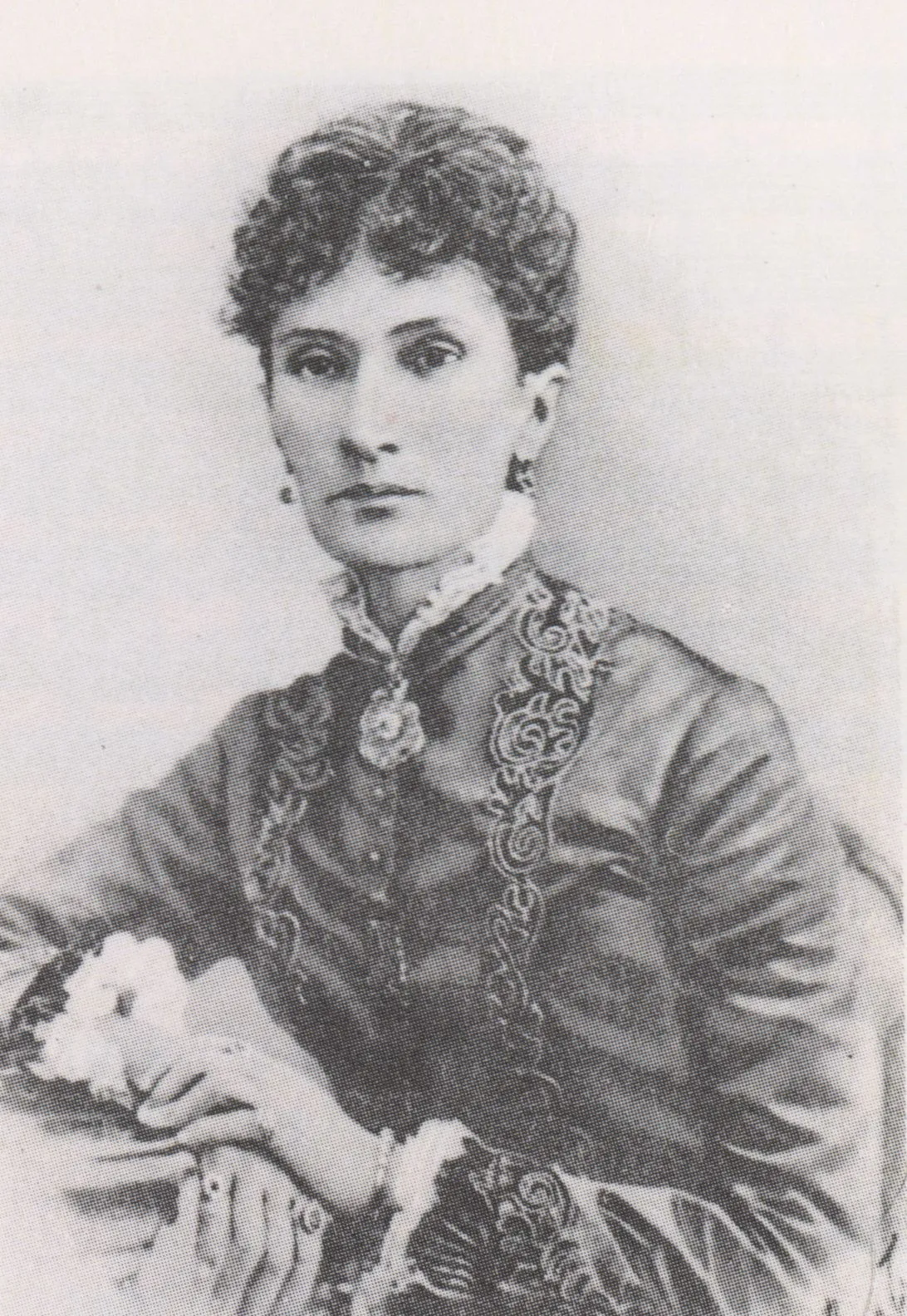
Who was Nadezhda von Meck?
A wealthy widow and lover of music who supported him from 1877 to 1890 with a yearly allowance that let him leave teaching. They exchanged more than 1,200 letters and agreed never to meet. Read more →
Was Tchaikovsky married?
Yes. In July 1877 he married Antonina Milyukova, a former student. He left her within weeks, in a state of crisis, and went abroad; they never divorced. Read more →
Can I visit places connected with him?
Yes: his house-museum in Klin, his birthplace in Votkinsk, Kamenka, the theatres of his premieres and his grave in St Petersburg. The guide “In his footsteps” lists them with what is there today. Read more →
Are the letters in English?
Every letter on the site has its original and an English translation. Most translations come from Tchaikovsky Research and name their translators; the rest were made for this site and are labelled as such. Read more →
How do I find something quickly?
Use the search box at the top of every page (or press Ctrl+K or “/”). It finds works, letters, people and places, and answers short questions such as “when was he born”. Read more →
Is this site free? Who makes it?
It is a non-commercial, educational project, free to read, with no ads. The texts come from Tchaikovsky Research under CC BY-NC-SA 4.0; see “About” for sources and how to report an error. Read more →
How do I use this site?
Start with the guide: ten short articles with pictures of the real pages, on reading the letters, exploring a work, following his life, playing his themes, saving your own collection and teaching with the site. Read more →