Places from his life in a photograph from his time and one from ours, taken from about the same spot. Drag the line across a picture, or use the slider under it, to move between the two.
The modern photographs were matched to the old ones by eye, so the angles are close but not exact. All of them come from Wikimedia Commons and may be reused under the licence named under each one.
The drawing room at Klin
Then · 1904–1914
Now · 2026
Then. The drawing room and study on a postcard, 1904–1914. A. I. Tsenter (publisher), public domain, cropped, Wikimedia Commons
He rented this house in May 1892 and lived here between tours until his death; the Sixth Symphony was written here. His brother Modest opened it as a museum in December 1894, and the rooms still hold the furniture of his last years. Source: Tchaikovsky Research: Klin
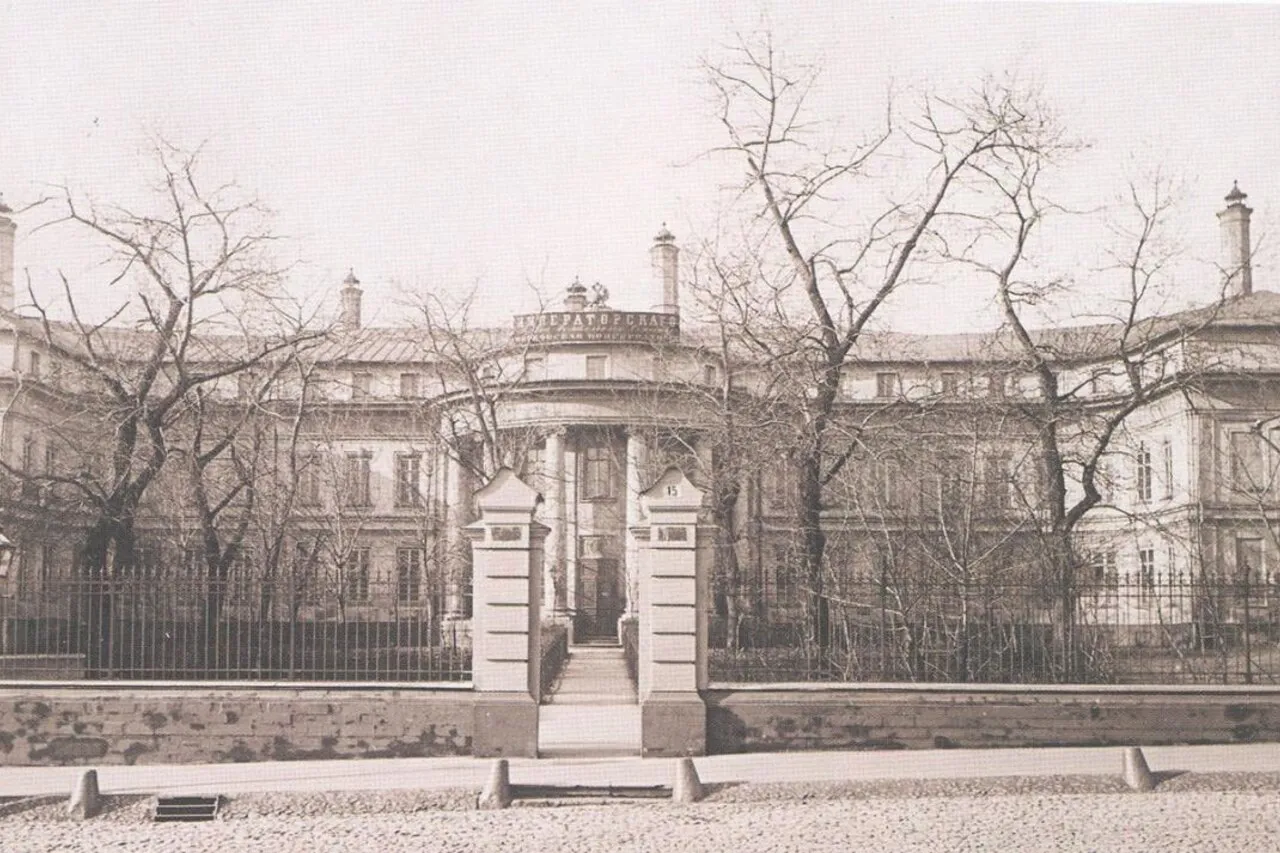
Then. The old Vorontsov house that held the Conservatory, 1894. Unknown author, public domain, cropped, Wikimedia Commons
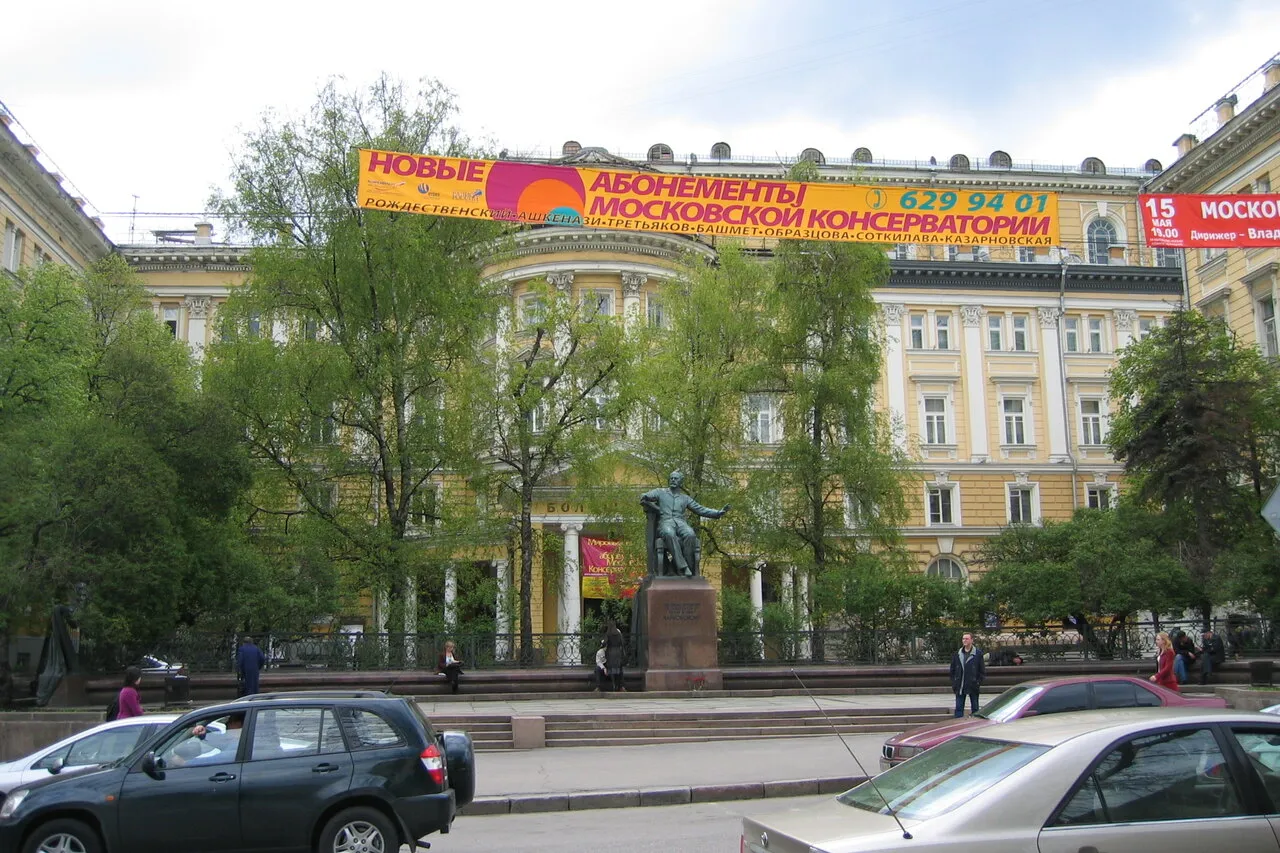
Now. The Conservatory today, with his statue in front, 2007. A.Savin, CC BY-SA 3.0, cropped, Wikimedia Commons
He taught harmony and theory at the Conservatory from 1866 to 1878, and from 1871 the classes were held in this house on Bolshaya Nikitskaya. It was pulled down in 1894, the year of the photograph, and the present building went up on the same site; his statue now stands in front. Source: Wikipedia: Moscow Conservatory
Then. The Bolshoi from Teatralnaya Square, 1883. Nikolay Naidenov, public domain, cropped, Wikimedia Commons
Now. The same corner of the square, 2019. Suicasmo, CC BY-SA 4.0, cropped, Wikimedia Commons
His first opera, The Voyevoda, had its premiere here on 11 February 1869, and his first ballet, Swan Lake, on 4 March 1877. In January 1887 he conducted the premiere of Cherevichki here himself. Source: Tchaikovsky Research: Swan Lake
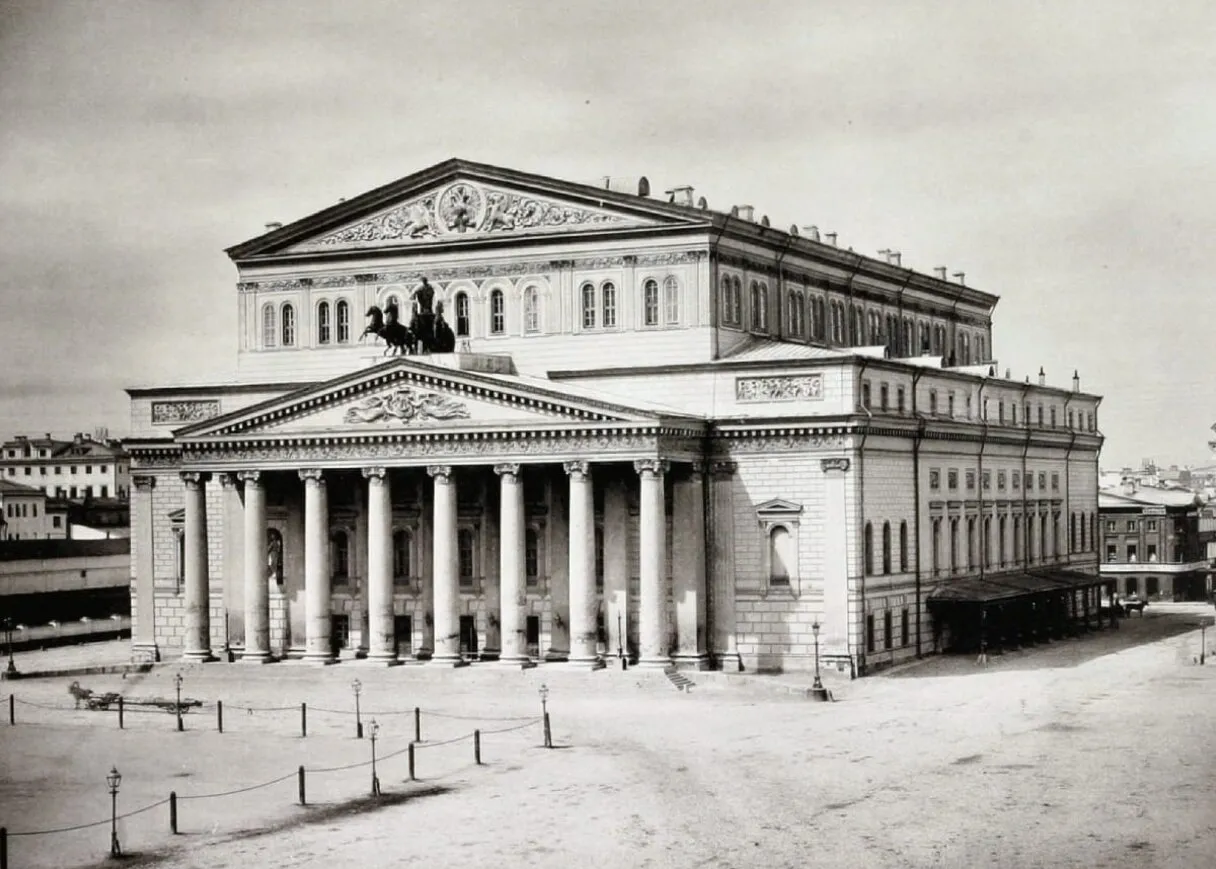
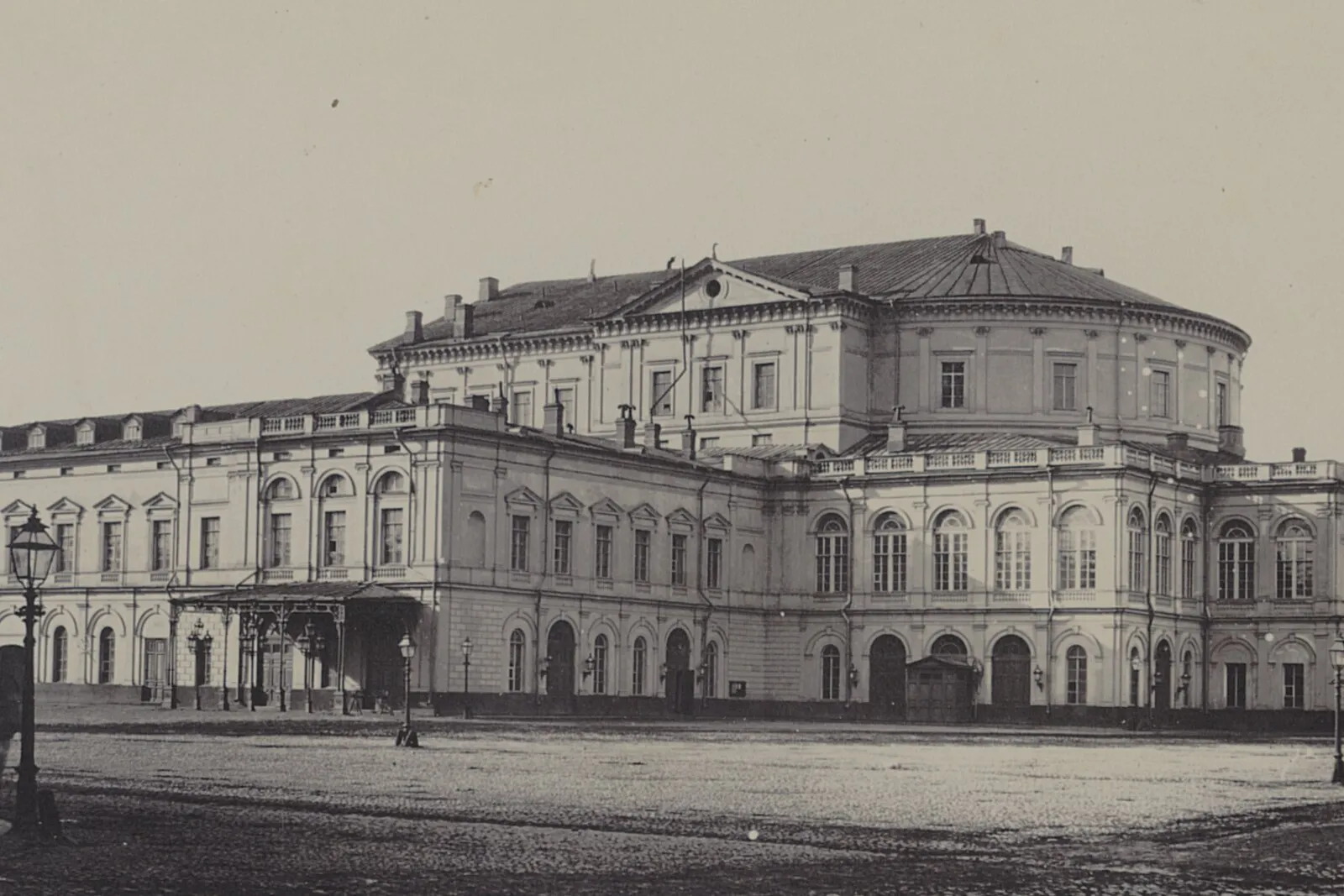
Then. The theatre on Theatre Square, 1865–1870. Alfred Lorens, public domain, cropped, Wikimedia Commons
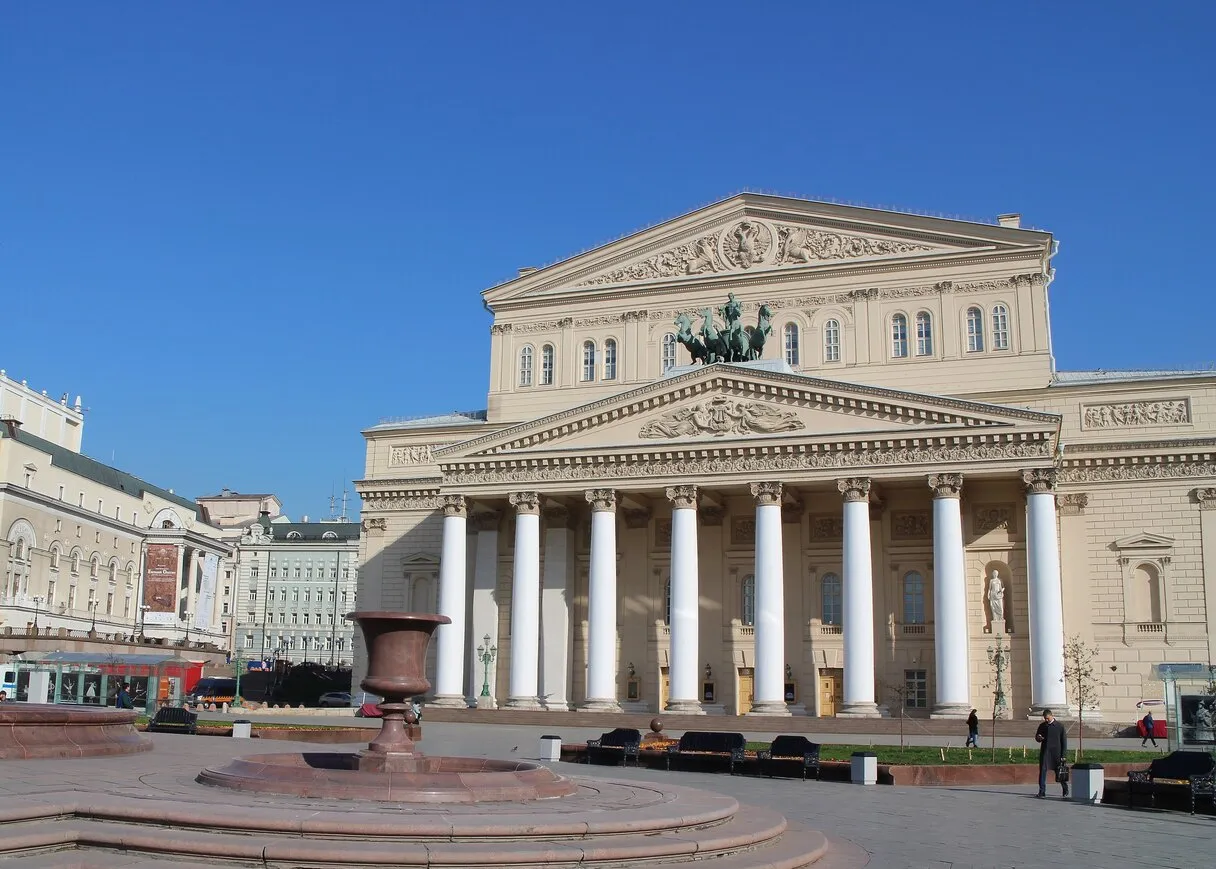
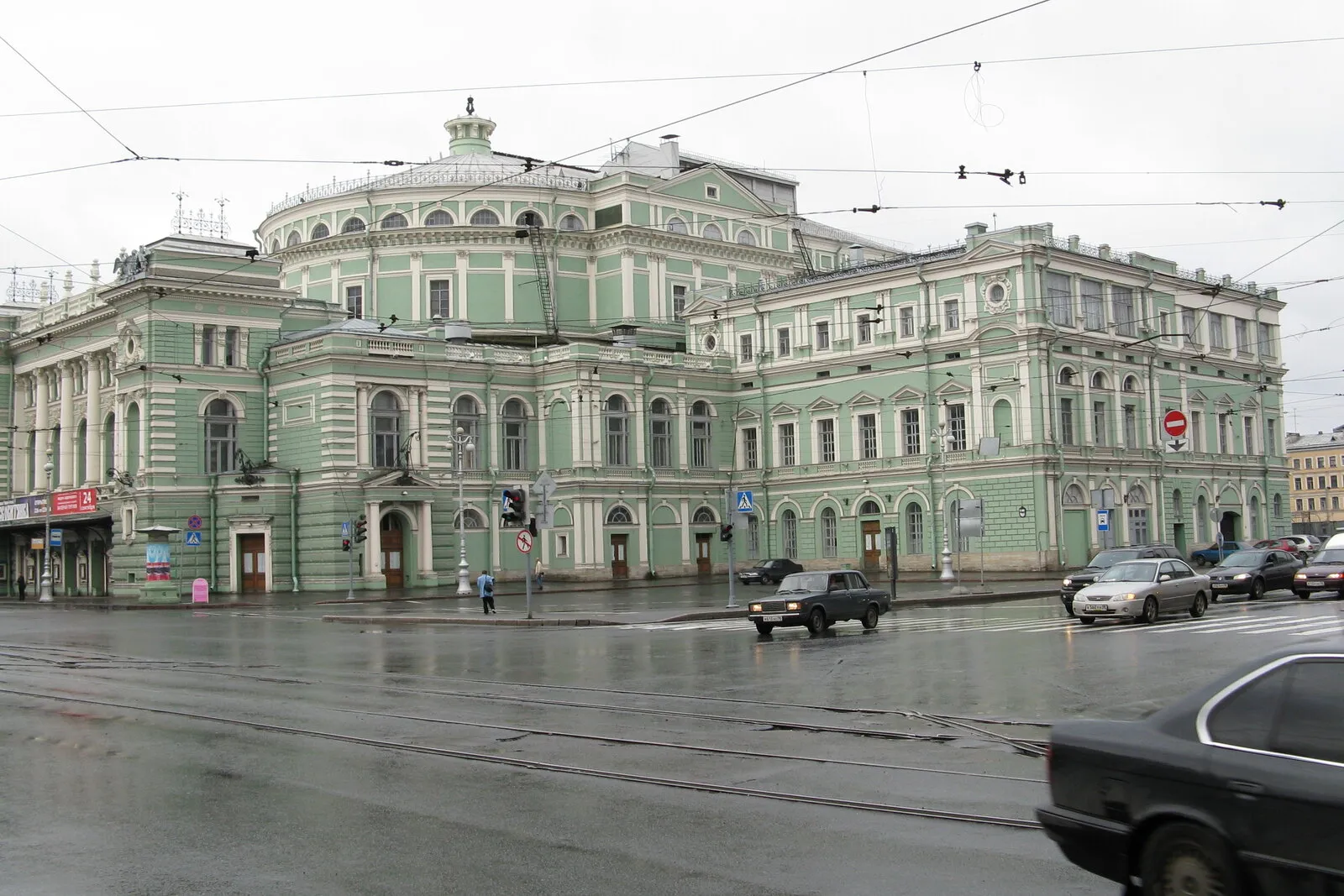
Now. The theatre from the same side of the square, 2008. Yair Haklai, CC BY-SA 3.0, cropped, Wikimedia Commons
Eight of his stage works had their premieres here, among them The Sleeping Beauty and The Queen of Spades in 1890, and Iolanta and The Nutcracker, given together on one evening in December 1892. Source: Tchaikovsky Research: Chronology
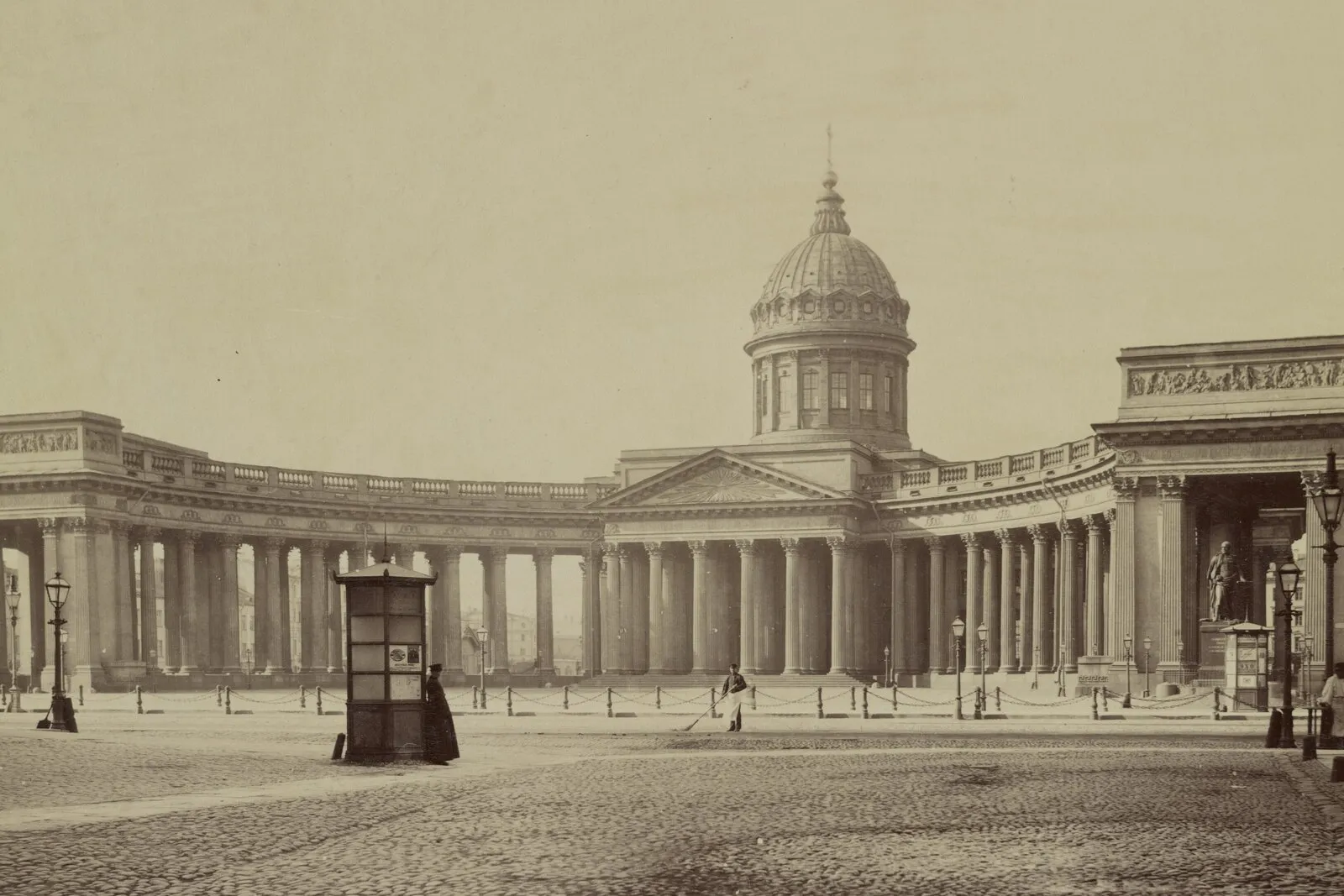
Then. The colonnade from Nevsky Prospect, 1880. Unknown author, public domain, cropped, Wikimedia Commons
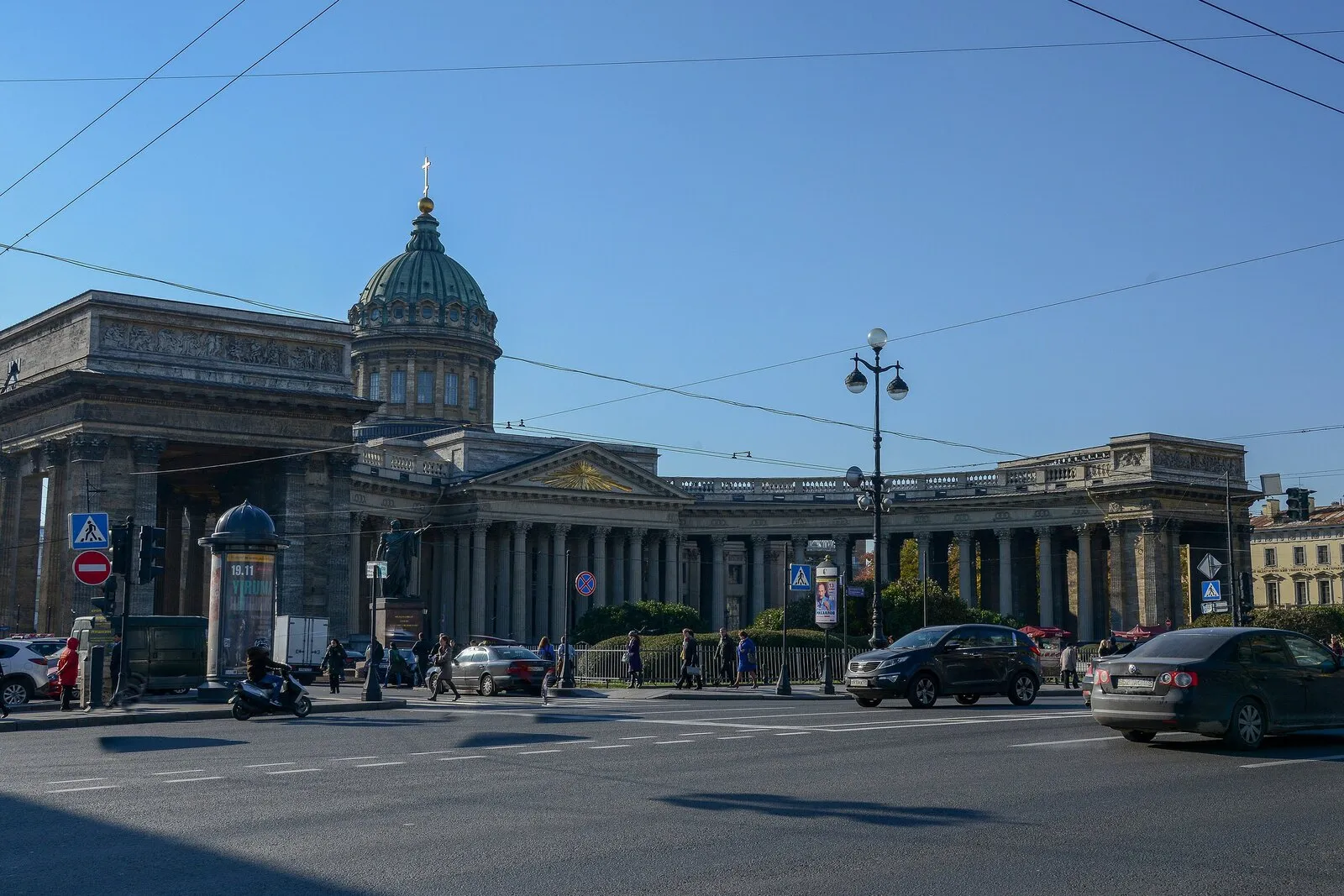
Now. The same view across Nevsky, 2014. Jorge Láscar, CC BY 2.0, cropped, Wikimedia Commons
His funeral service was held here on 9 November 1893. Alexander III paid for the funeral himself; 60,000 people applied for tickets, and about 8,000 crowded into a cathedral built for 6,000. Source: Wikipedia: Death of Pyotr Ilyich Tchaikovsky
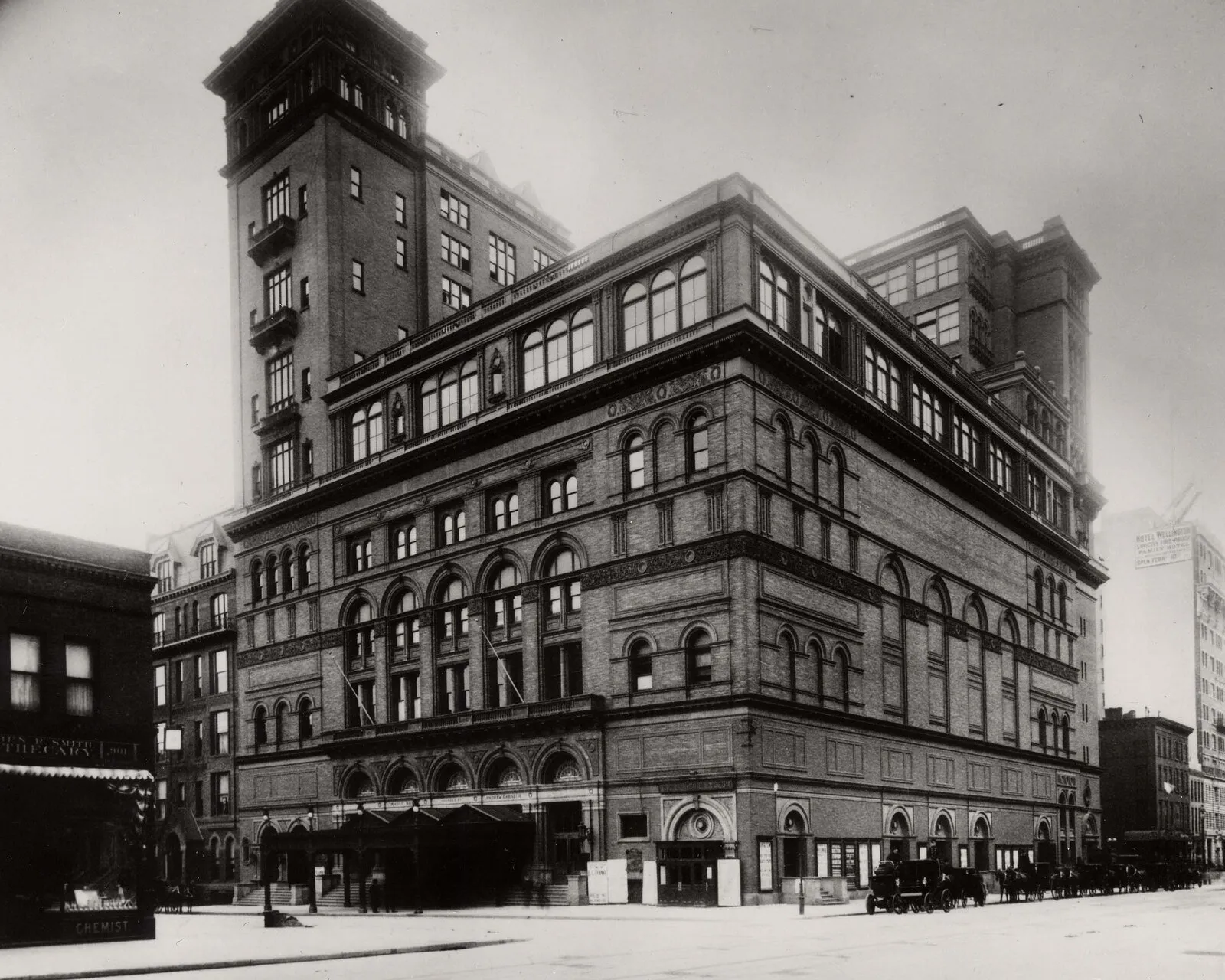
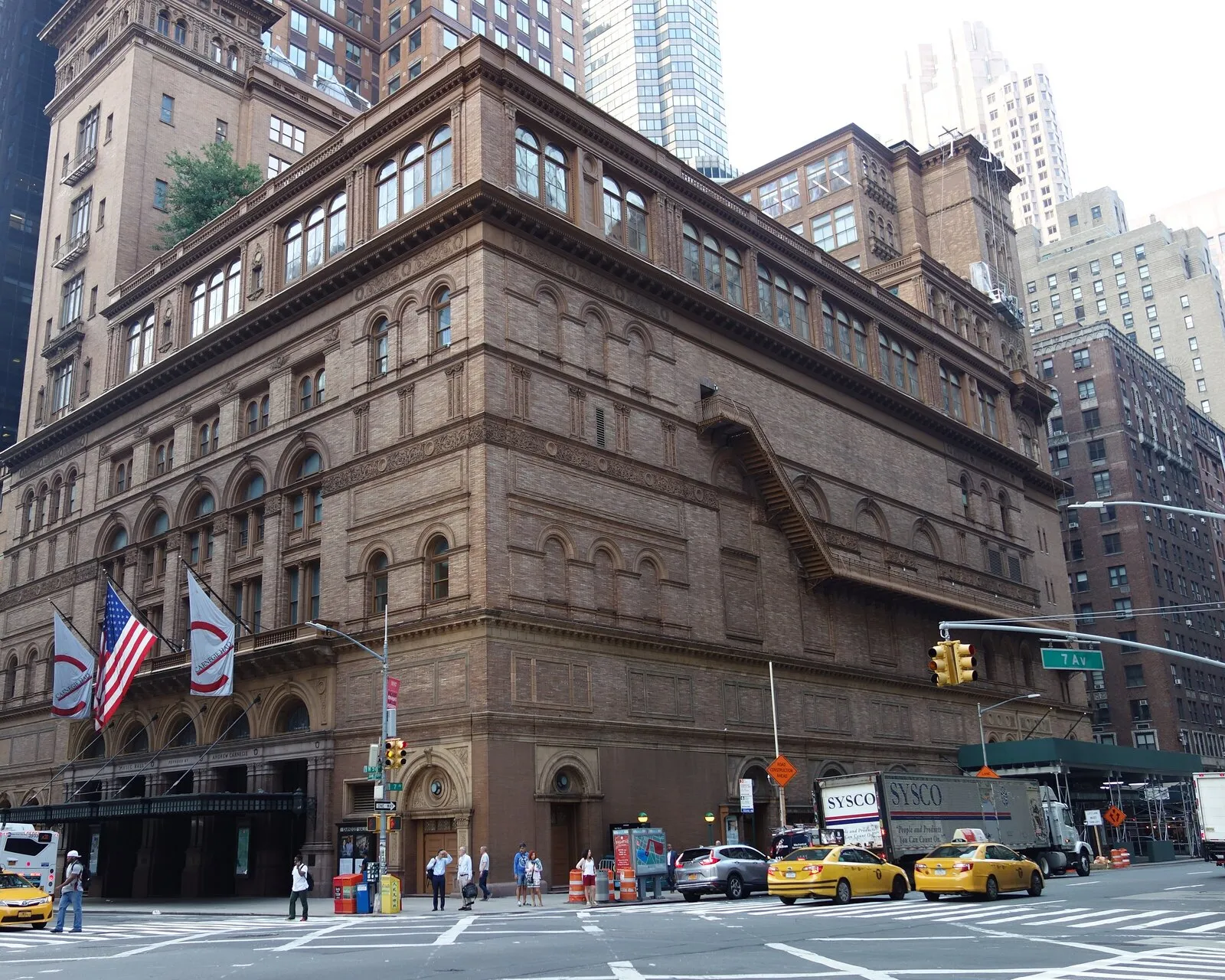
On 5 May 1891 he conducted his Coronation March at the opening concert of Andrew Carnegie's new Music Hall. In the same week he conducted the Suite No. 3 on his 51st birthday and the First Piano Concerto. Source: Tchaikovsky Research: New York
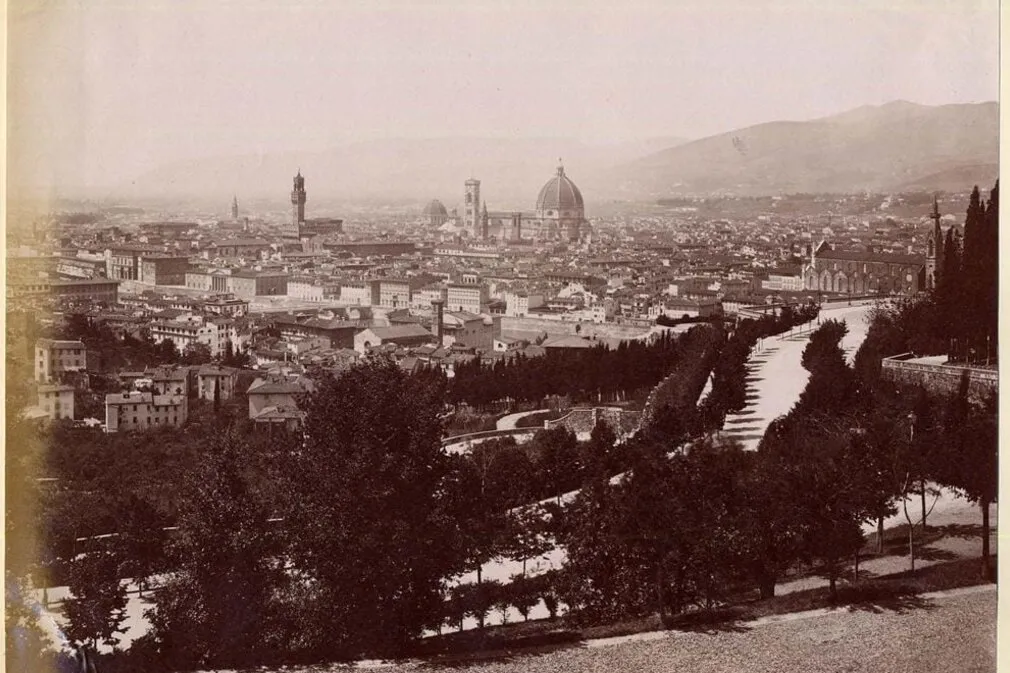
Then. The city from the new Viale dei Colli, about 1870. Giacomo Brogi, public domain, cropped, Wikimedia Commons
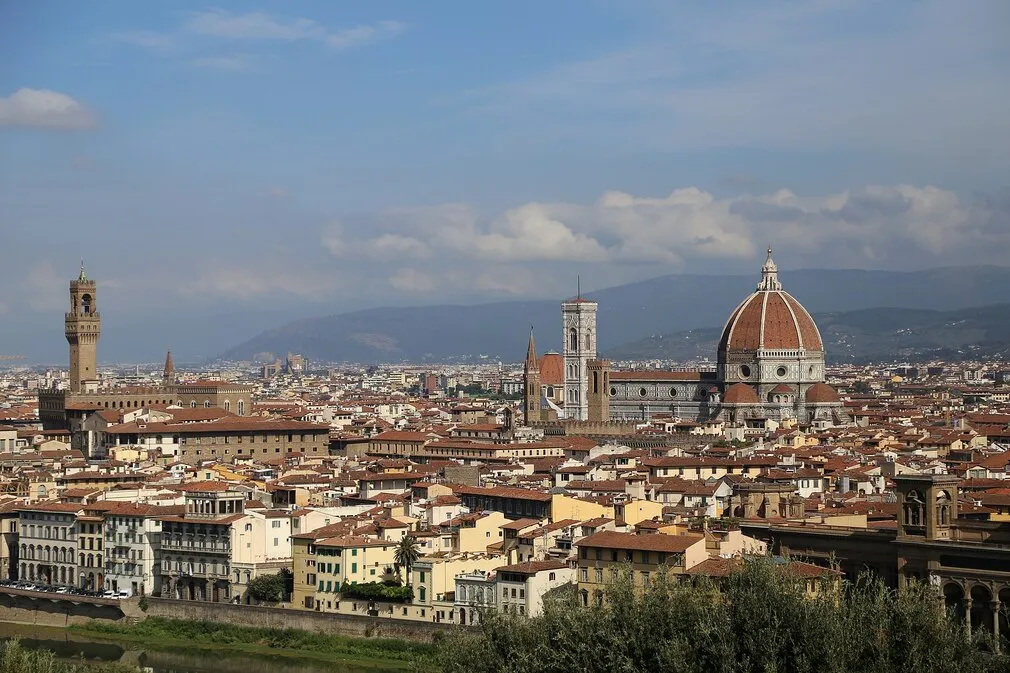
Now. The same view from the Piazzale Michelangelo on the Viale, 2014. Rufus46, CC BY-SA 3.0, cropped, Wikimedia Commons
In December 1878 he stayed on the Viale dei Colli, the road this view is taken from, near Nadezhda von Meck's villa. He came back in 1890 and drafted The Queen of Spades here in six weeks. Source: Tchaikovsky Research: Florence
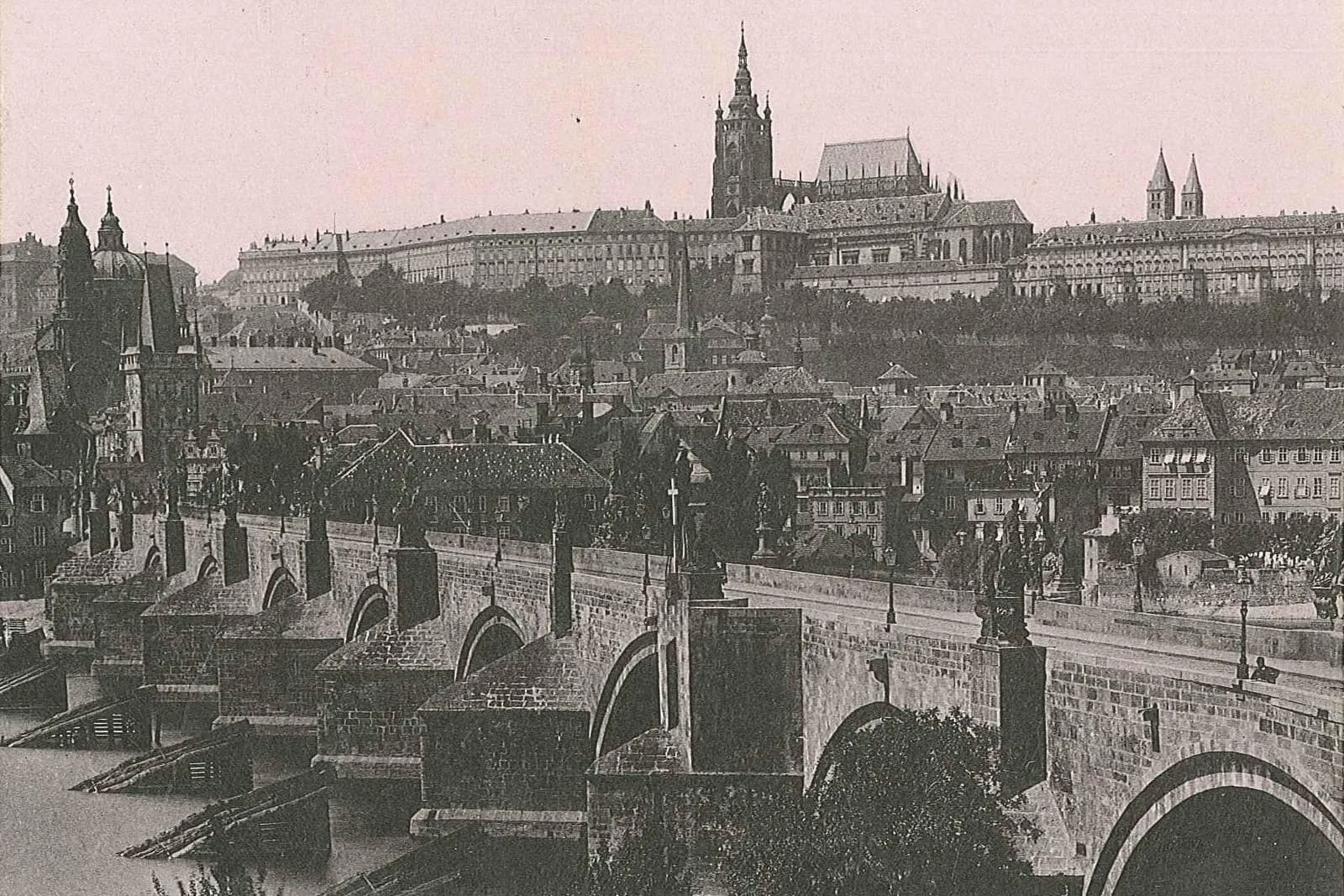
Then. The Charles Bridge and Prague Castle, about 1880. Unknown author, public domain, cropped, Wikimedia Commons
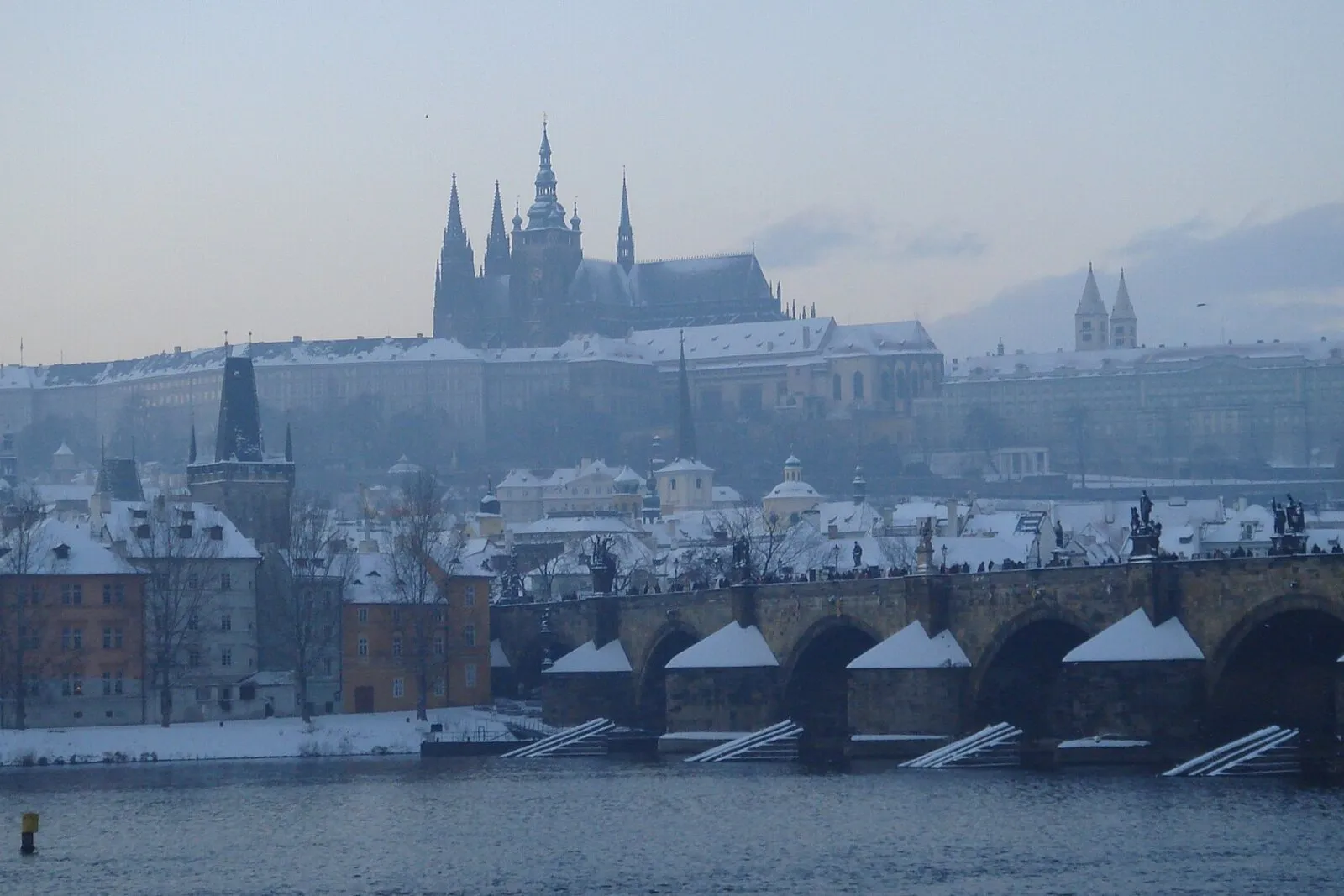
Now. The bridge and the castle from the Old Town bank, 2008. Ondřej Žváček, CC BY 2.5, cropped, Wikimedia Commons
He came to Prague in February 1888 to conduct two concerts of his music, and was back that winter for the first Czech production of Yevgeny Onegin, which he conducted himself. Source: Tchaikovsky Research: Prague
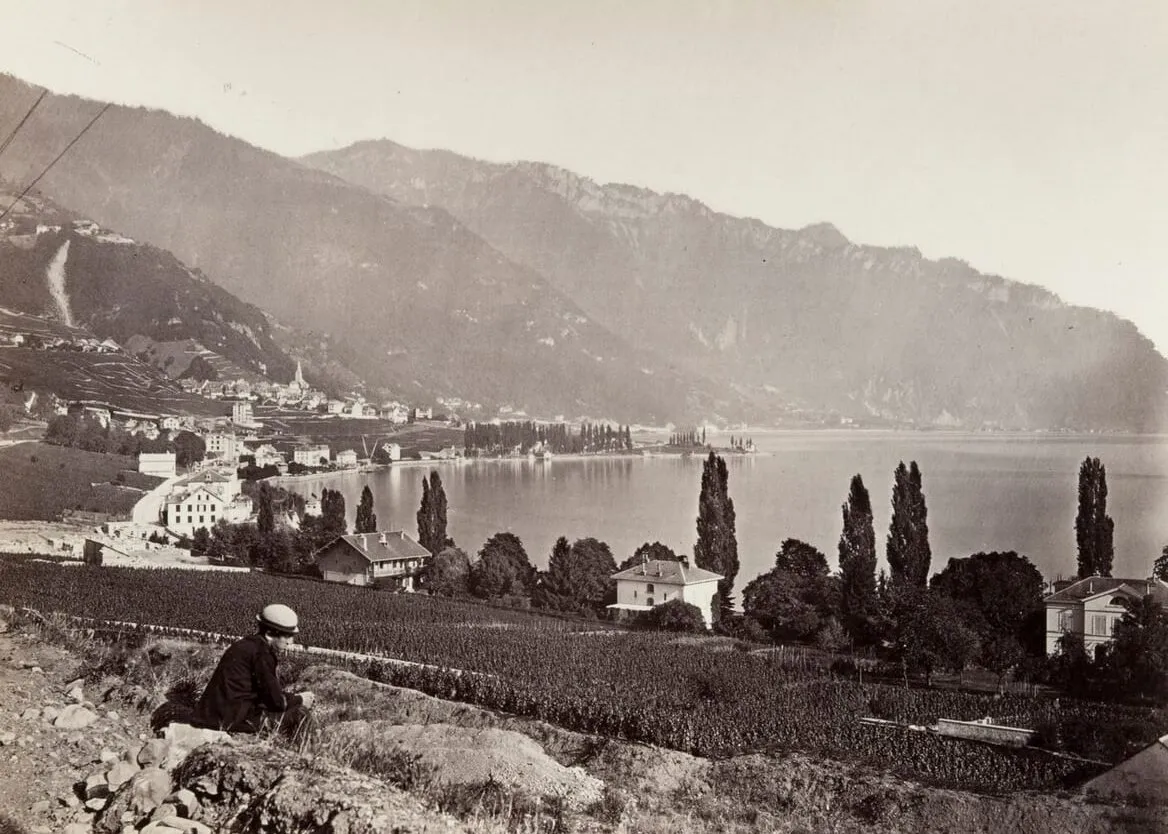
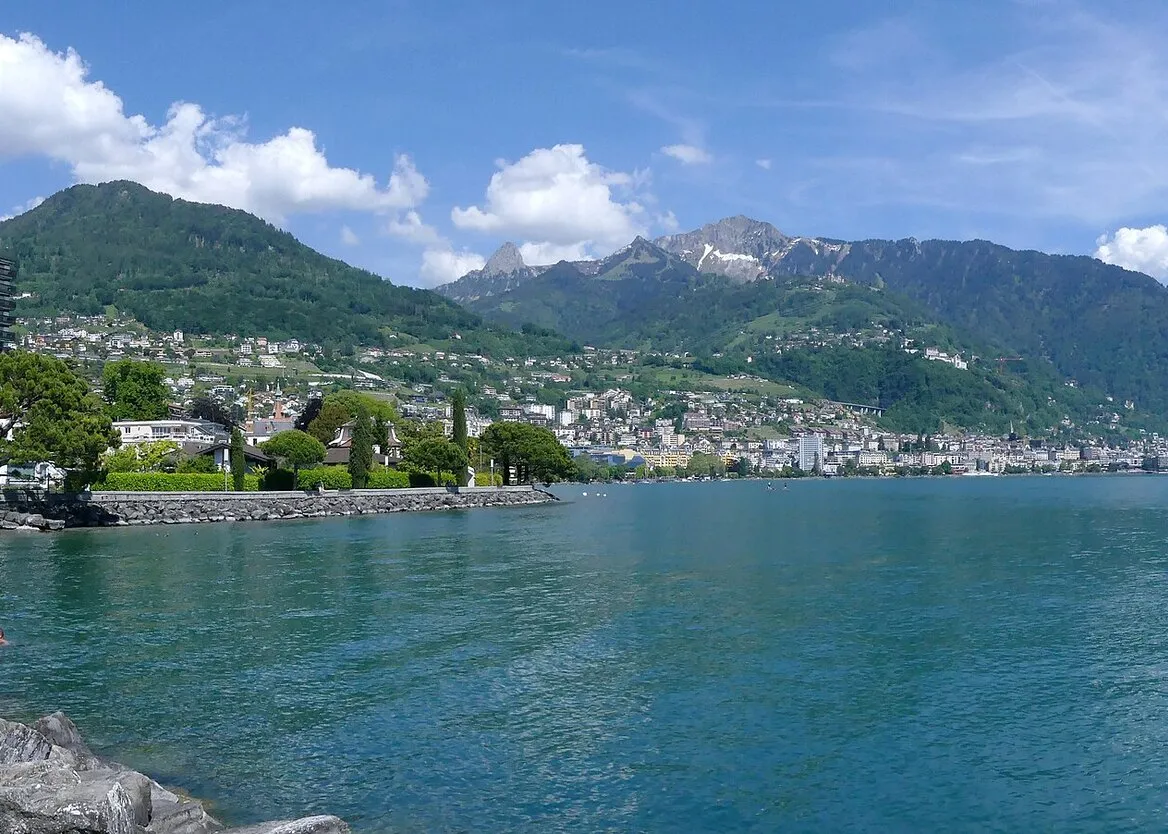
On his second stay at the Villa Richelieu in Clarens, after the violinist Iosif Kotek joined him, he began the Violin Concerto on 17 March 1878 and had it finished and orchestrated by 11 April. Source: Tchaikovsky Research: Clarens
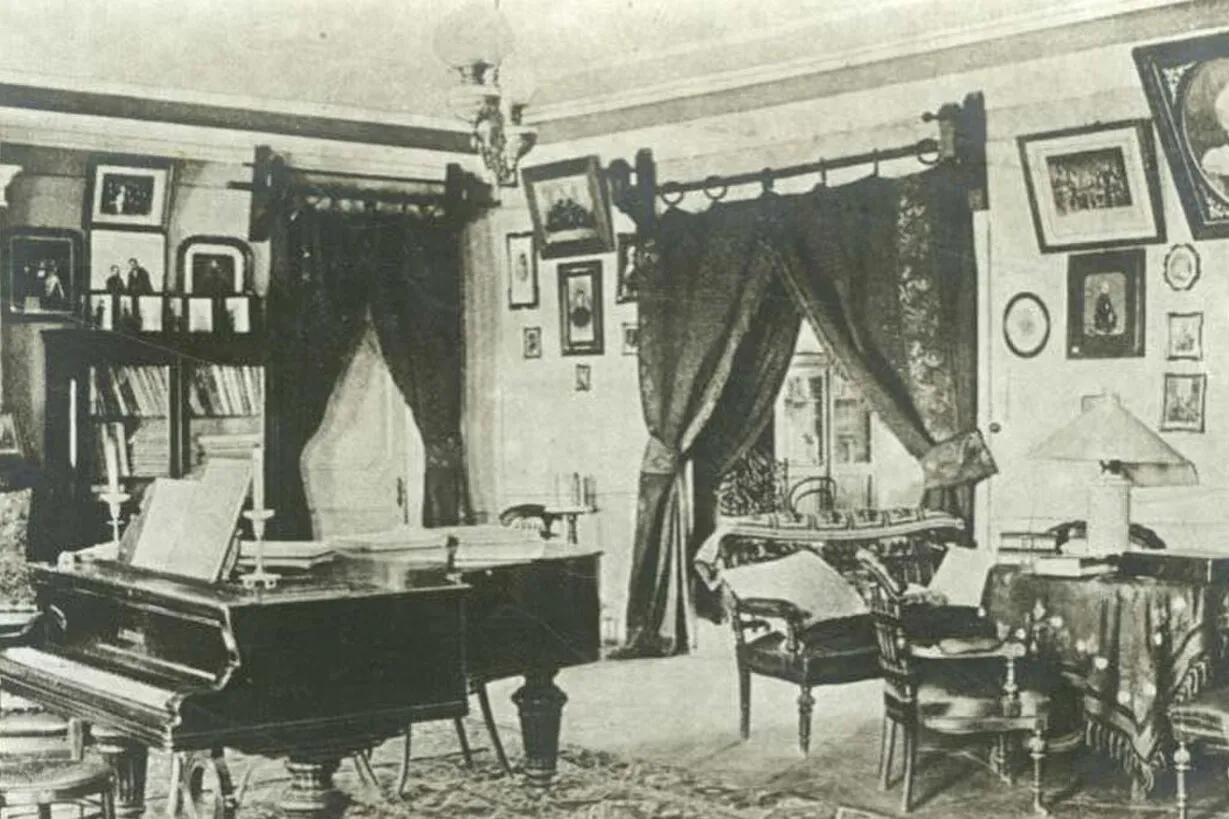 Then · 1904–1914
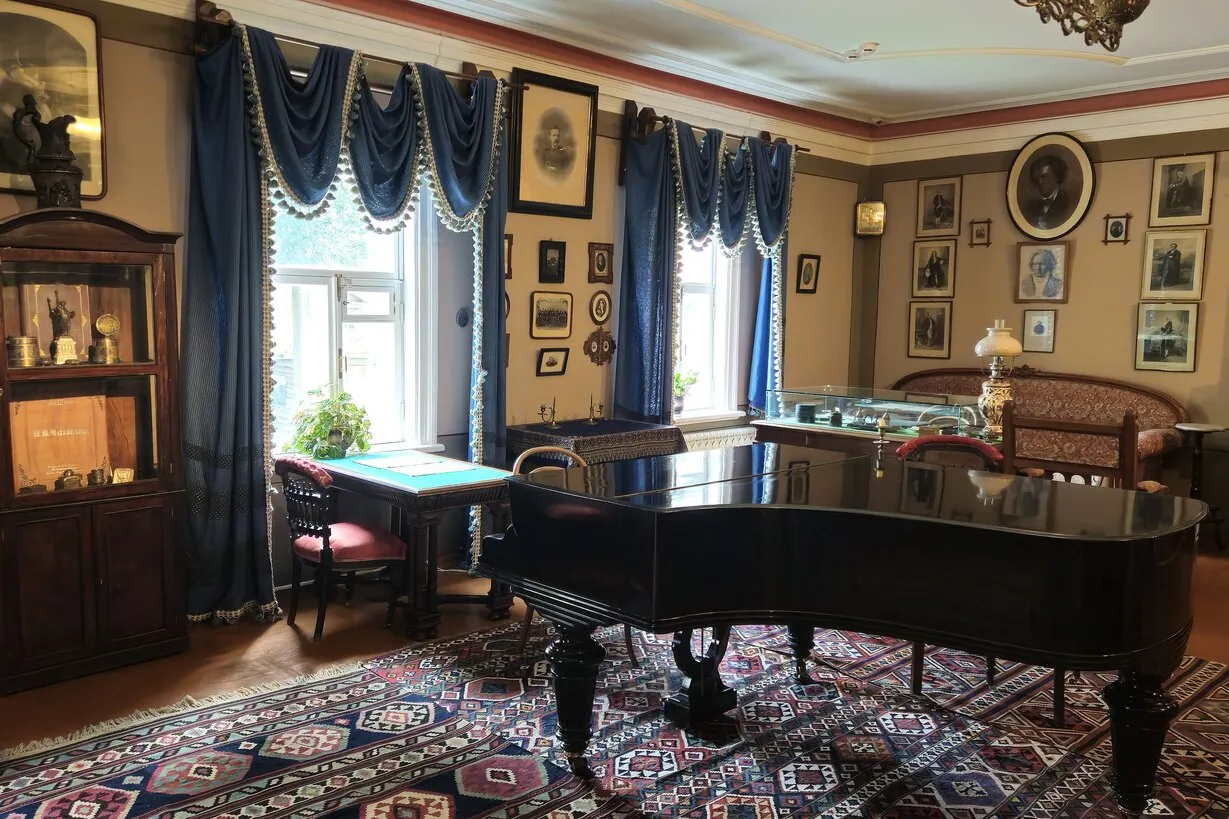 Now · 2026